
In short
- Visit at sunrise or sunset for optimal lighting.
- Bring a wide-angle lens to fit the 110-meter cliff.
- Avoid midday to minimize harsh shadows.
In this article
Getting a great photo of Wave Rock depends on when you arrive. The rock is open 24 hours a day, so you can easily plan around the sun. Follow these tips to capture the 15-meter granite cliff in its best light.
When is the best time of day for photos?
Early morning or late afternoon provides the best light.
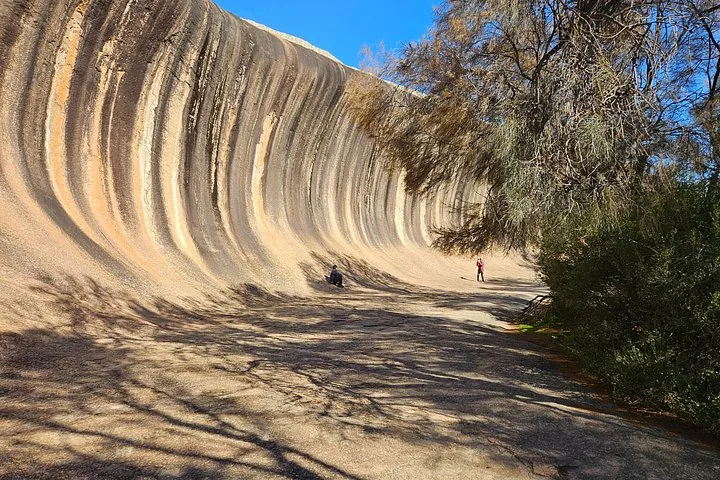
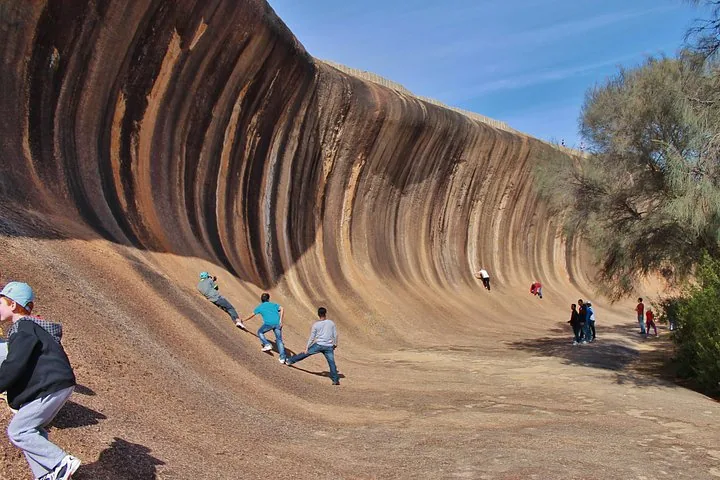
Visit near sunrise or sunset to see the richest colors in the rock. The soft light enhances the vertical stripes caused by chemical weathering. Avoid the middle of the day. Midday sun creates harsh shadows that wash out the colors.
What camera gear should I bring?
A wide-angle lens is highly recommended.
Wave Rock stretches approximately 110 meters long. A standard phone camera might struggle to fit the entire curve into one frame. Bring a camera with a wide-angle lens to capture the sweeping shape of the wave.

Where is the best spot to stand?
Stand near the base of the curve looking up.
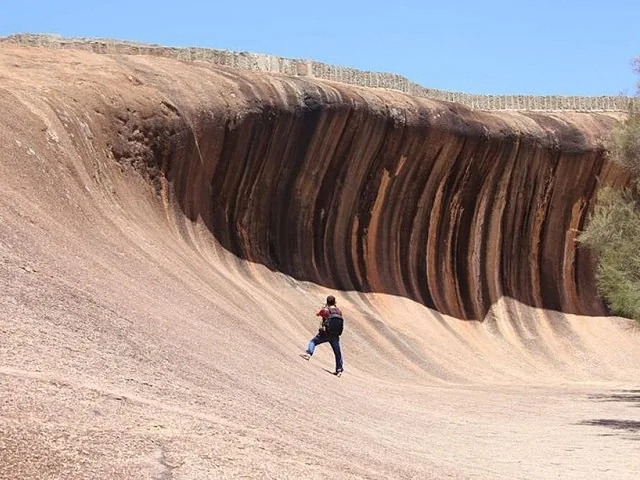
To make the rock look like a towering ocean wave, position yourself close to the base. Look up the 15-meter cliff face. Having a person stand in the frame helps show the massive scale of the formation.
What else is good to photograph nearby?
Hippo's Yawn and Mulka's Cave offer great photo opportunities.
Take the 1.7km loop trail to Hippo's Yawn. This rock tor looks just like a yawning hippopotamus. You can also drive 15 minutes north to Mulka's Cave. The cave holds over 450 ancient Aboriginal rock paintings, including faint handprints.
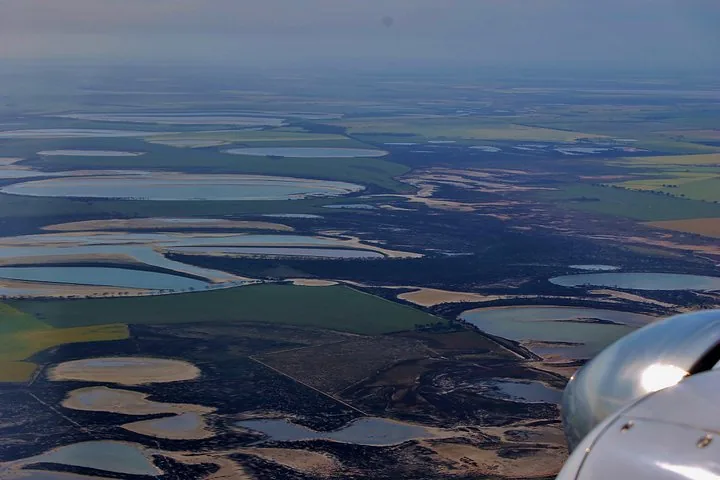
Can I fly a drone at Wave Rock?
Yes, but you must follow WA Parks guidelines.
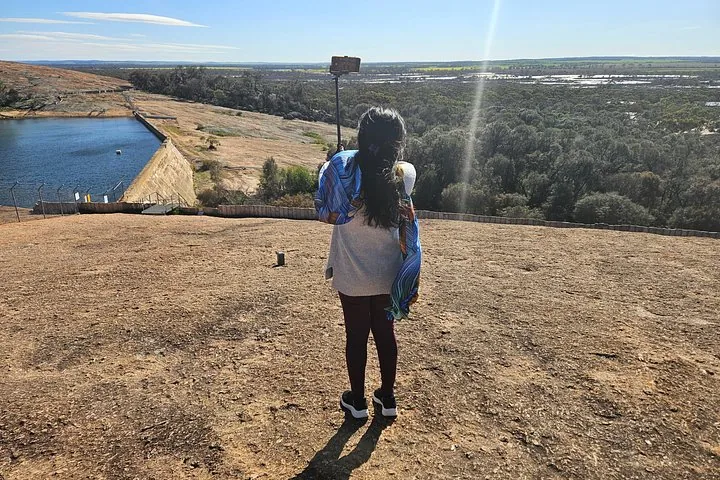
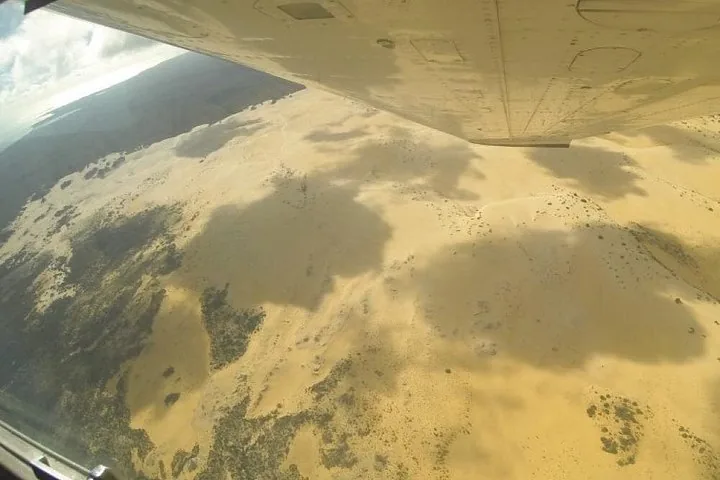
You can use a drone to capture aerial shots of the surrounding Hyden Rock area. You must fly responsibly and keep the drone at least 30 meters away from other visitors.
How does the season affect photography?
Spring brings wildflowers, adding color to the landscape.
If you visit between August and October, you can photograph the local wildflowers blooming around the rock. The cooler months (April to October) also make it much easier to walk around with camera gear compared to the intense summer heat.
| Season | Highlights | Weather |
|---|---|---|
| Spring (Aug-Oct) | Wildflowers, soft light | Mild |
| Summer (Dec-Feb) | Clear skies | Very hot (up to 33.9°C) |
| Winter (Jun-Aug) | Quiet trails | Cool, bring a light jacket |

Questions travellers ask
How tall is Wave Rock?
Wave Rock stands 15 meters (50 feet) high.
Are dogs allowed near the rock?
Yes, dogs are allowed around the rock visiting areas but must be kept on a leash at all times.
Can I walk on top of the rock?
Yes, you can access the top of the formation via designated walking trails. Stay on the trails to protect the fragile landscape.